

Watch video on YouTube: https://www.youtube.com/watch?v=0lVmMUoLDV0
Author: Elizabeth Mullins
Citizens’ Toolbox—Wedding Supper of the Lamb
Citizens of God’s kingdom understand the relationship between Jesus and the Church, his Body, as one of groom with bride. And we eagerly look forward to this glorious wedding supper.
Let us rejoice and be glad and give him glory! For the wedding of the Lamb has come, and his bride has made herself ready. Revelation 19:7
Learn more about this relationship below. Read an excerpt from “Images of the Church” by Gary Deddo. The full article is here.

One important image that supplements our understanding of the relationship between Jesus and the Church, his Body, is one of groom with bride. This image points out a very personal, deep, life-long, intimate, and fruitful relationship. Here are a few key scriptures that use this image:
The bride belongs to the bridegroom. The friend who attends the bridegroom waits and listens for him, and is full of joy when he hears the bridegroom’s voice. That joy is mine, and it is now complete. (John 3:29)
The Spirit and the bride say, “Come!” And let the one who hears say, “Come!” Let the one who is thirsty come; and let the one who wishes take the free gift of the water of life. (Rev. 22:17)
After all, no one ever hated their own body, but they feed and care for their body, just as Christ does the church—for we are members of his body. “For this reason a man will leave his father and mother and be united to his wife, and the two will become one flesh.” This is a profound mystery—but I am talking about Christ and the church. (Eph. 5:29-32)
This image indicates a very close, even intimate and personal relationship of Jesus with his church. It also conveys a dynamic, interactive, interpersonal element of relationship. Given other such relational imagery throughout the New Testament, it conveys the idea of a history of relationship that develops and grows, especially from being unmarried, to being betrothed to having the marriage consummated. In the Old Testament there is preparation for this dimension of understanding with God’s relationship with Israel being compared to the relationship of a husband and wife. This is poignantly portrayed in Hosea where Israel’s unbelief and betrayal are compared to adultery. There are also several references in Isaiah and Jeremiah to the people of God as God’s bride.
Again, this image should not be taken alone. It helps us fill out a portrait when put together with the other images. This image, along with the others, is all together illustrative of a deep and complex reality that can’t be reduced to any one word or image. The images synthesize other more literal teaching about God’s relating to his people and what we are told about the history of that relationship culminating in the metaphorical image of the marriage feast of the Lamb depicted in Revelation 19:7-9.
Kingdom Living—Sacred Imagination
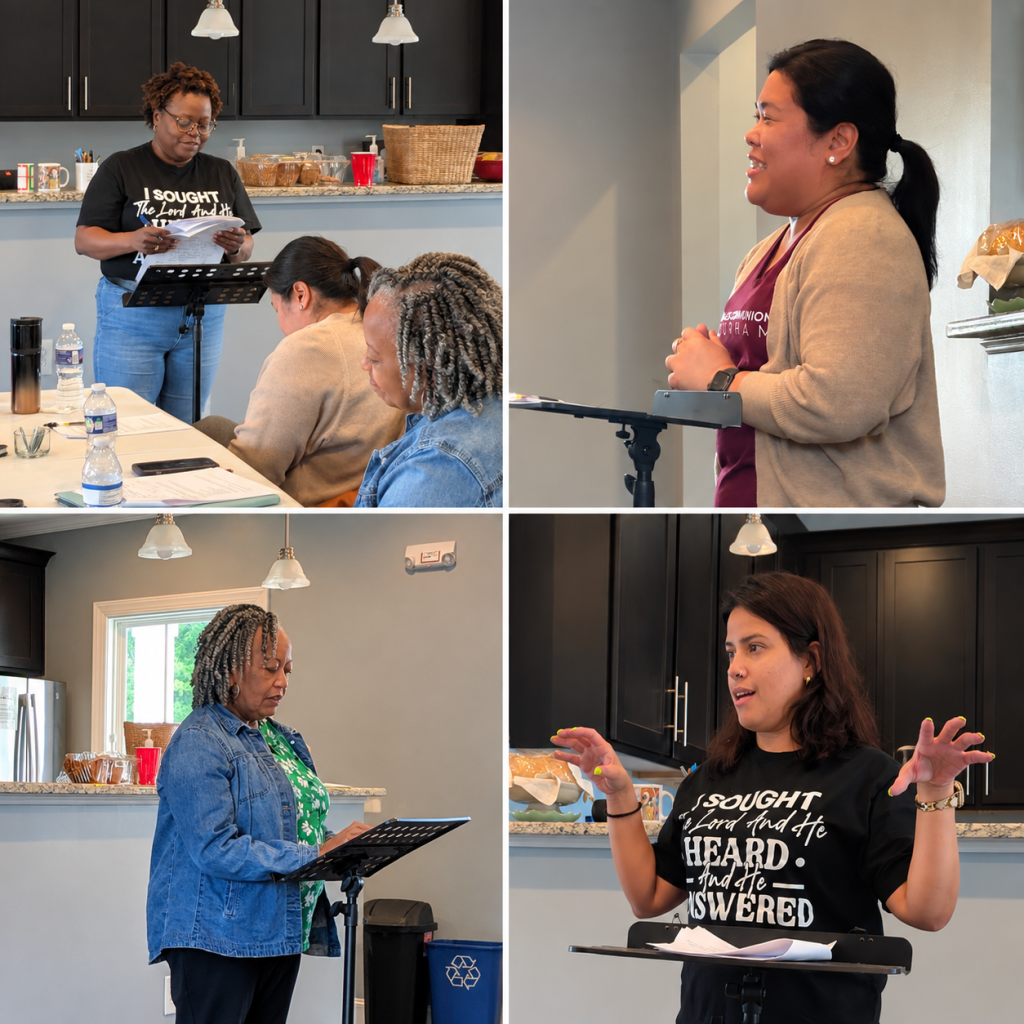
This summer I led GC Steele Creek and GC Durham in a Kingdom Culture Experience workshop. It was encouraging to see the participants commit their time to gather on a Saturday and spend a full day discussing kingdom-mindedness, kingdom imagination (“The kingdom is like…”), and kingdom relationships. The interaction and inspiration were palpable. Using our sacred imagination, we closed the experience with a rehearsal dinner for the Wedding Feast of the Lamb.
As the facilitator, I was inspired and pray even more earnestly, Come Lord Jesus!
Greg Williams
Steele Creek, North Carolina, US




Durham, North Carolina, US



Devotional—Christ Crucified
The Jesus revealed in the Gospels is not a mythical, domesticated, or culturally convenient version. He is the real, living Christ who reveals the heart of God.
From the very beginning, people have struggled to recognise Jesus for who he truly is. The apostle Paul reminds us that there are three broad ways people respond to Jesus and his kingdom. He writes:
Jews demand signs and Greeks look for wisdom, but we preach Christ crucified: a stumbling block to Jews and foolishness to Gentiles, but to those whom God has called, both Jews and Greeks, Christ the power of God and the wisdom of God. 1 Corinthians 1:22-24 NIV
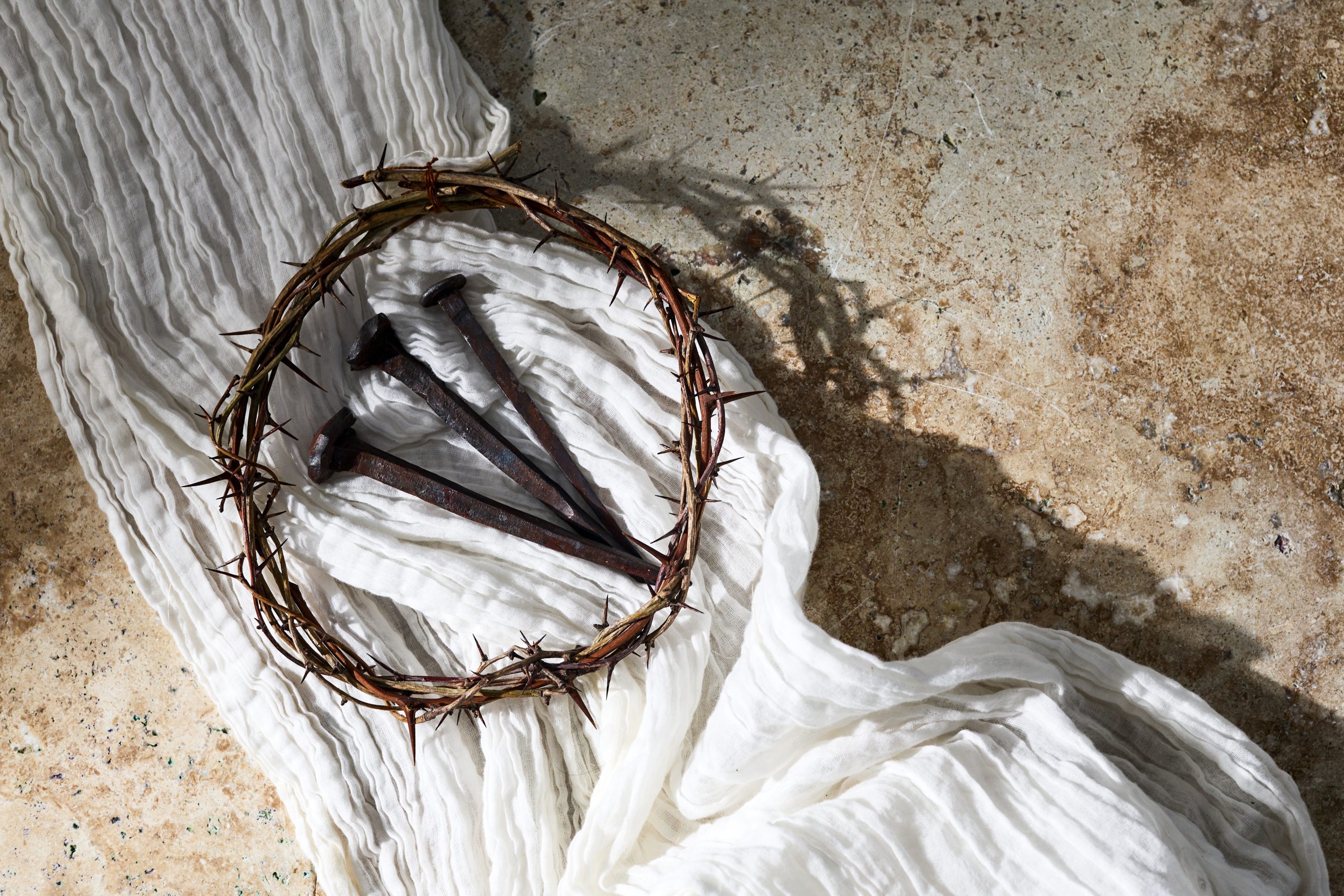
The first group are those who seek signs and wonders from Jesus. Some Christians today run around chasing prophets and apostles who promise them miracles and wonders. Yet, Jesus said, “A wicked and adulterous generation asks for a sign!” (Matthew 12:39a). The sign is the Son of Man three days and three nights in the grave!
The second group want a philosophical and scientific Jesus who makes logical sense. They like debating the gospel and the kingdom of God. Their faith is not practiced; it’s something to debate and argue. Jesus is the crucified Christ, not some religious guru.
The third group are those who have come to know the crucified Jesus. They know that kingdom living is about taking up their cross and following him. That kind of life is a stumbling block to those who want signs and miracles, and foolishness to those that want a philosophy.
Christ does not merely show us a crucified life to imitate. As the crucified One, he gives us his life.
Prayer
Holy Spirit, grow us in the knowledge of the crucified Christ. May our whole lives preach Christ crucified. Amen.
 Takalani Musekwa, Superintendent of Africa
Pretoria, Gauteng, South Africa
Jesus and Politics


Dear GCI Family and Friends,
Was Jesus political in his message and actions? It’s an interesting question for the interesting times in which we live.
When challenged about paying tribute (taxes) to Rome, Jesus wisely stated, “give to Caesar what belongs to Caesar, and give to God what belongs to God” (Matthew 22:21 NLT). I like that he included tithes and offerings for the work of God. But the kingdom he was declaring was more than rules and behavior.
It is informative that Jesus prioritized the announcement of a new, spiritual kingdom rather than to offer in-depth commentary about Ceasar and the Roman government, or the local client kings (Herod the Great and his dynasty). In contrast, Jesus frequently criticized corruption among the Jewish religious leaders. He cited hypocrisy, pride, and legalism as visible shortcomings (unacceptable behavior for leaders who represent the Triune God). The Old and New Testaments confirm that religious leaders are held to a higher standard. Jesus called this out.
Christ’s proclamation about the kingdom of God and its spiritual nature challenged the power of governmental structures and confronted the moral dilemmas of the religious order. The kingdom of God is about people not power. Jesus’s desire is to draw all people to himself and reconcile them to God. This is the heart of the kingdom message and salvific work of Jesus through the incarnation, the atoning death on the cross, the glorious resurrection on Easter and the ascension to the Father, where he awaits his return in glory.
GCI Around the World
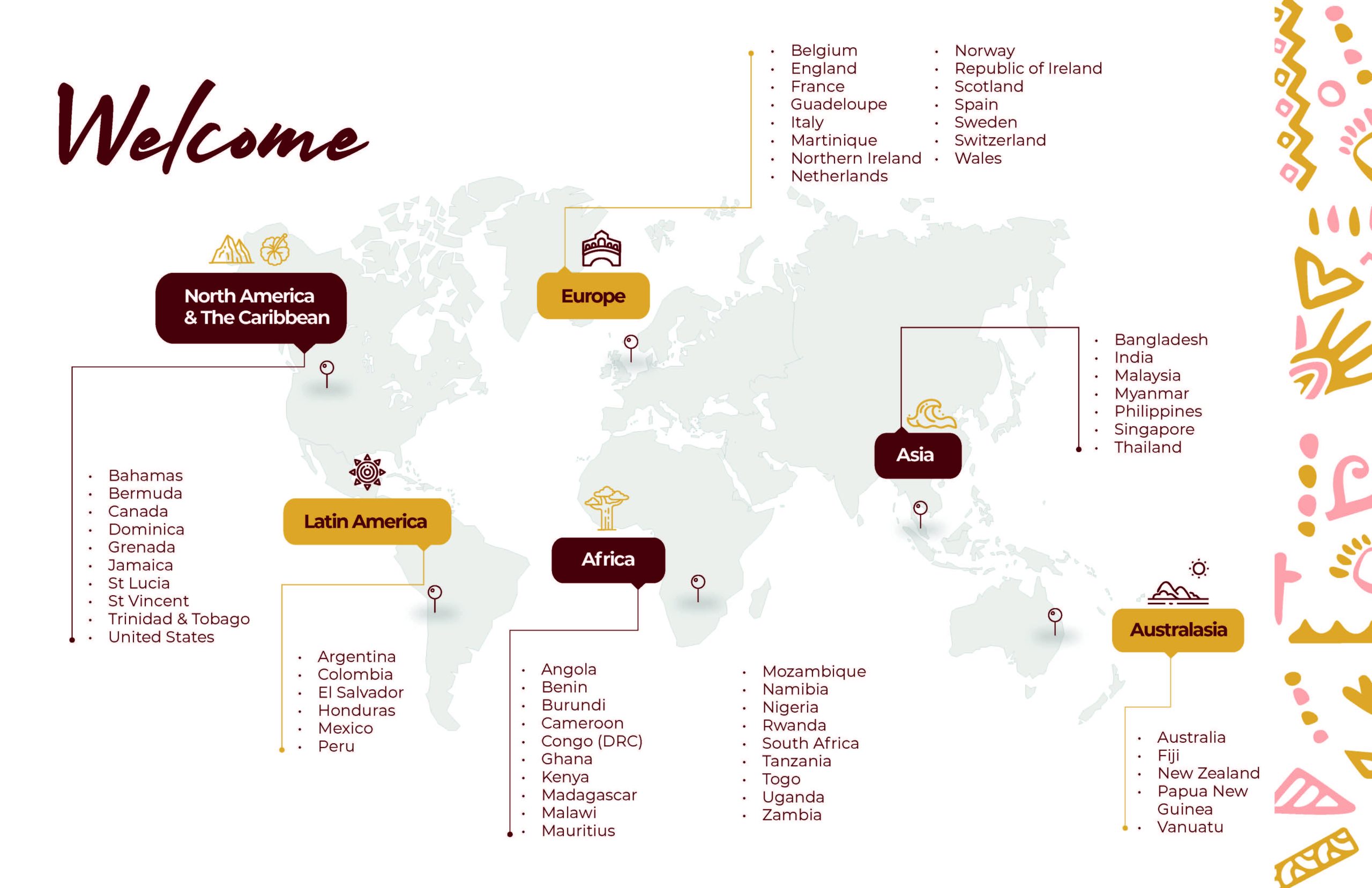
Participants of the 2026 Denominational Celebration received a program showing our global impact. We wanted to share a portion of it with all our readers. It includes maps of our six global regions and a message from each of our six superintendents.
The above map displays our six regions and lists the countries within that region where we have existing congregations. Click here to see the regional maps.
Celebration Photo Gallery
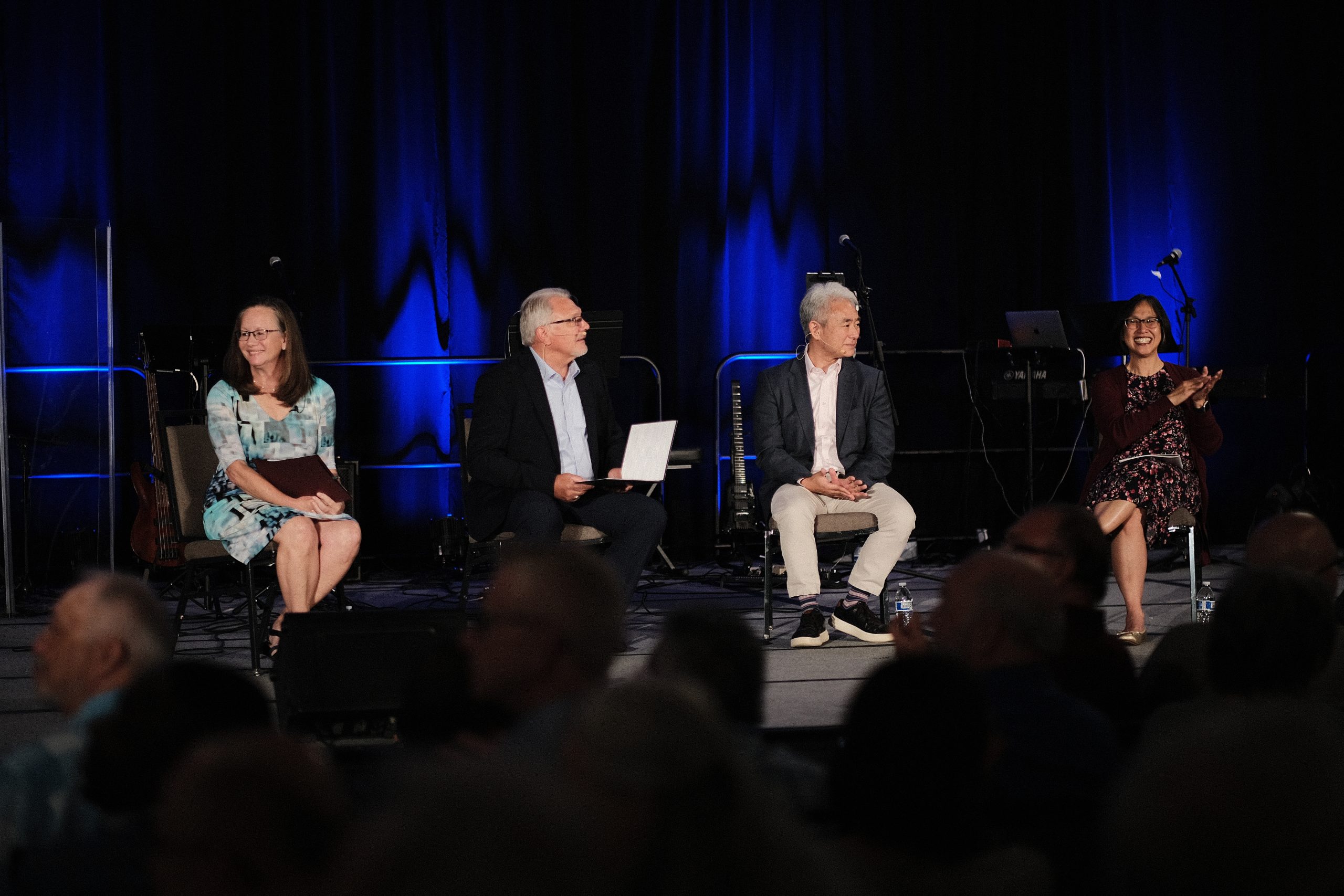
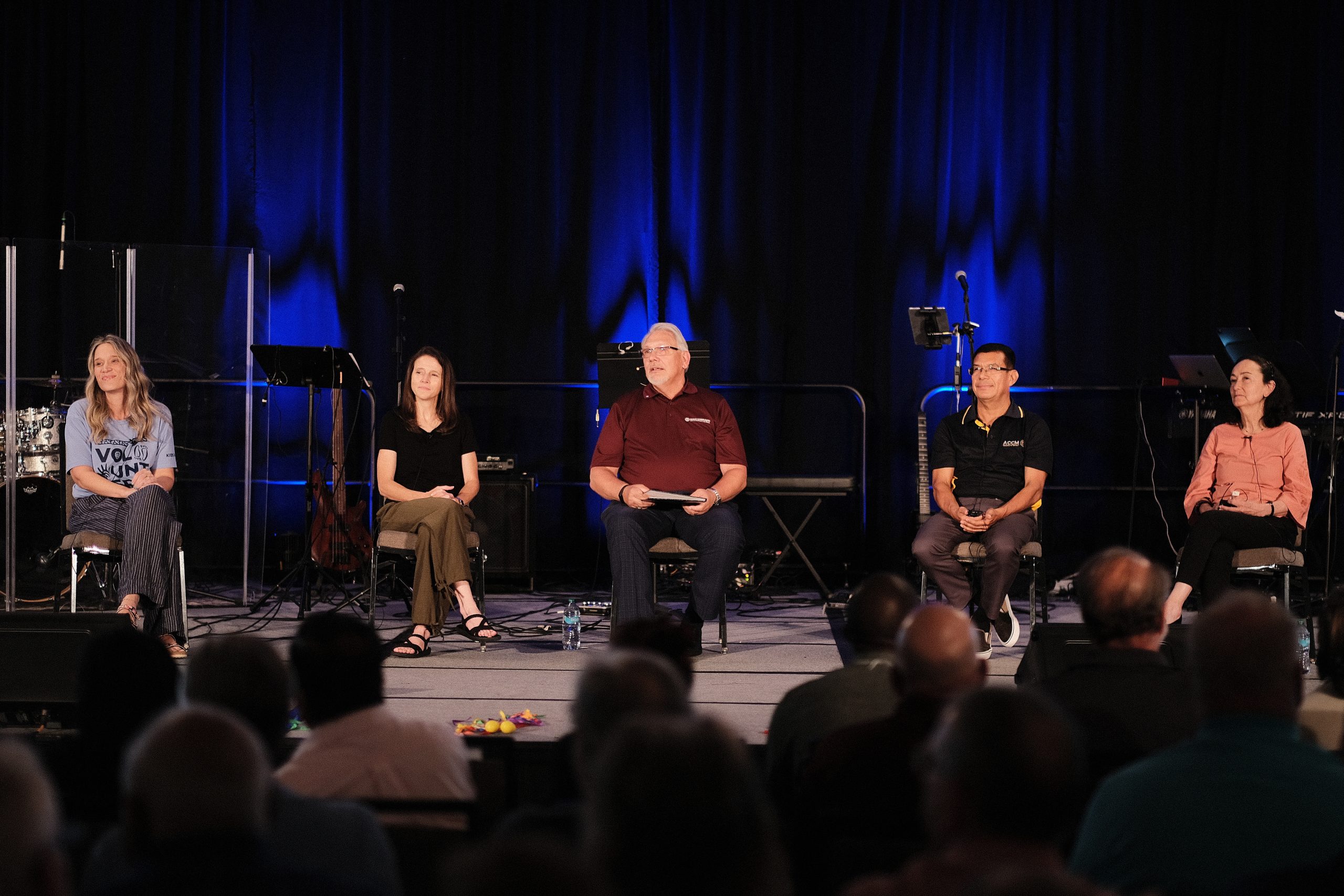
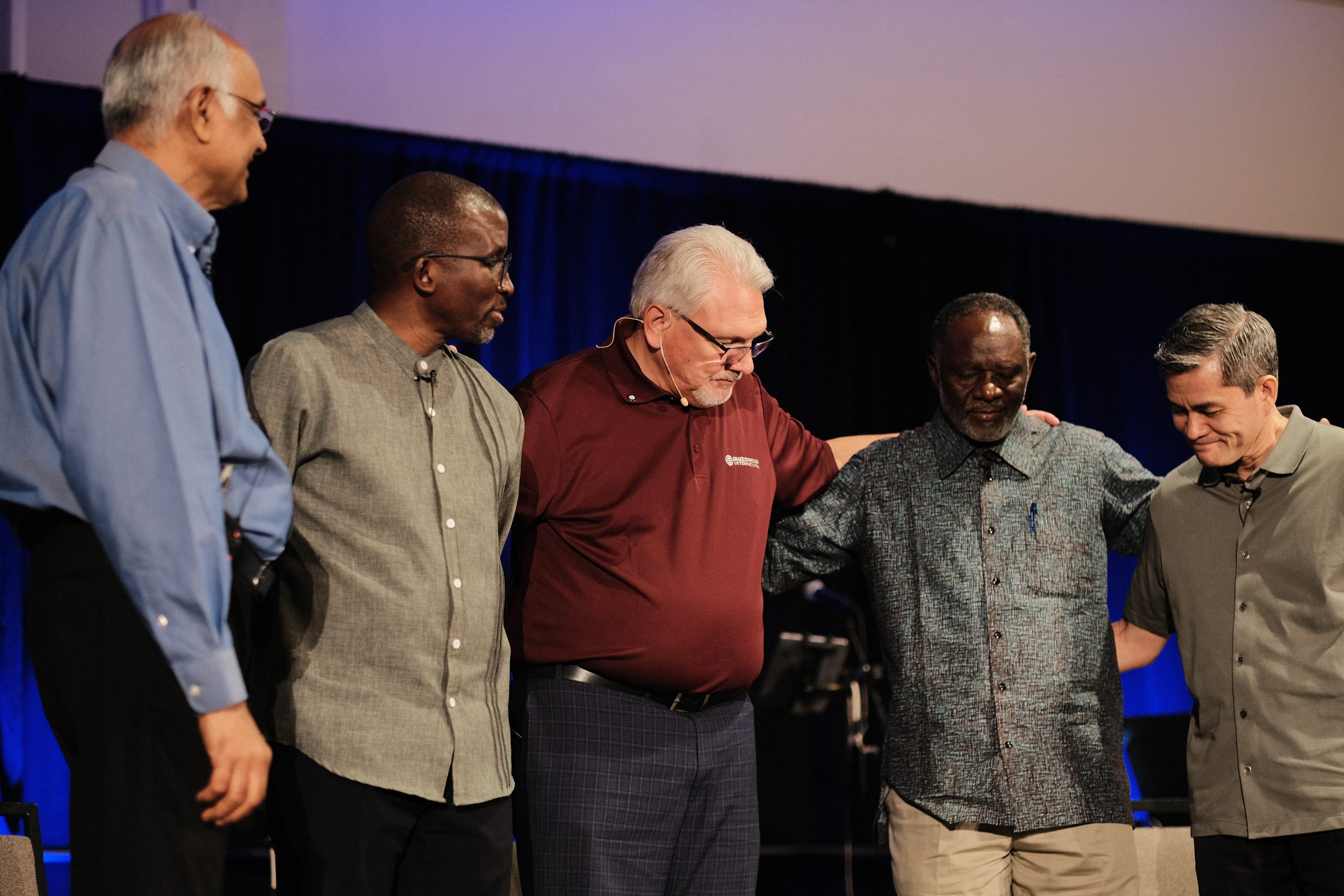
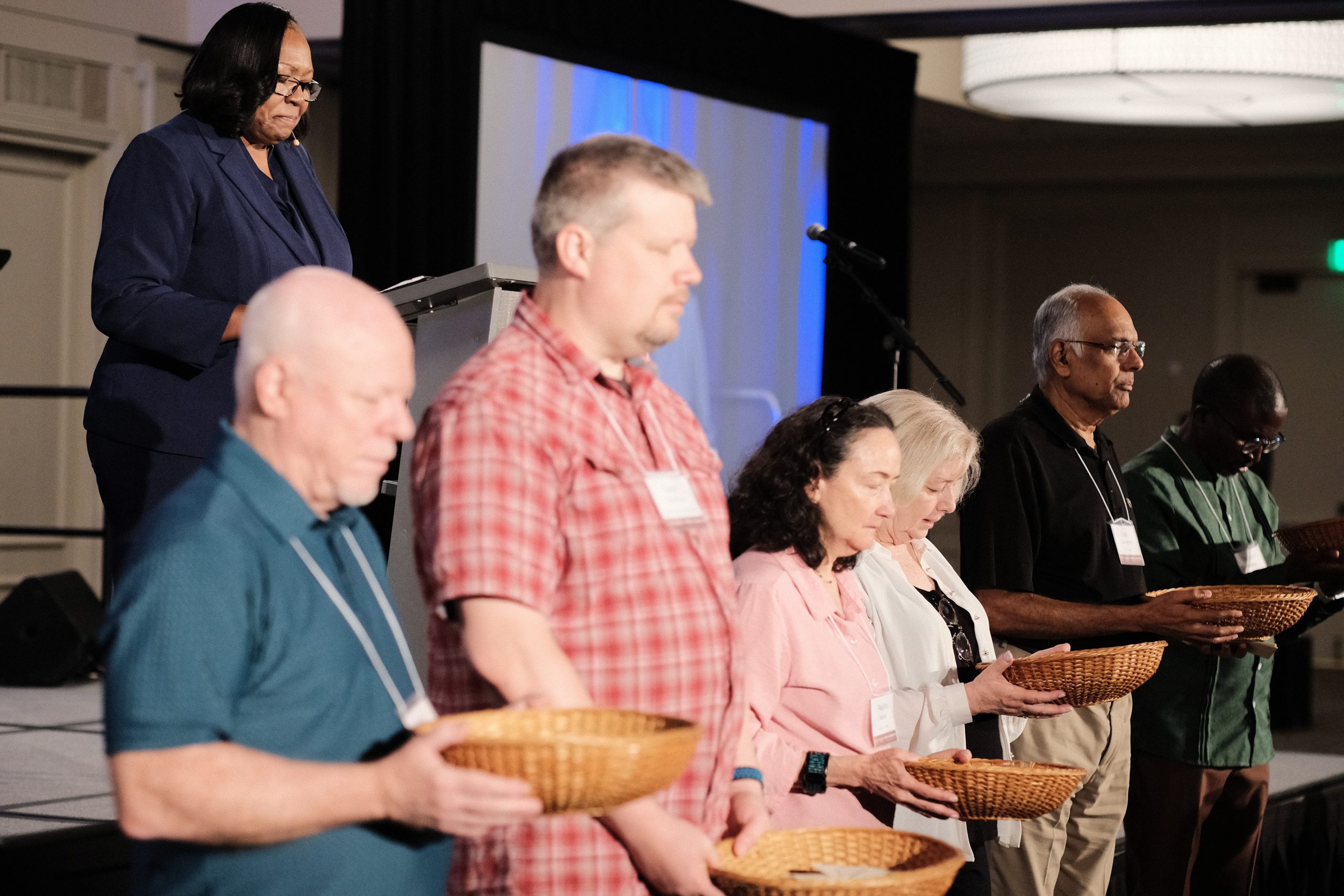
In July, more than 400 members gathered for GCI’s Denominational Celebration. (We hold it every three years.) It was a meaningful time of worship, equipping, and fellowship. If you were not able to attend, you were missed!
Enjoy this collection of images from the Celebration.
Click here for the sermon and main session playlist.

































Watch the Celebration Sessions
Throughout the Celebration, speakers helped us explore Kingdom Living and what it means to participate in the life and mission of Jesus in our congregations and neighborhoods.
Now you can watch these sessions at your own pace and share them with others. Consider watching a message that interests you, revisiting a session with your ministry team, or using one to begin a conversation in your congregation.
As you watch, consider:
-
- What is the Spirit inviting me to notice?
- What might this mean for our life together?
- How might we participate in what Jesus is doing in our congregation and neighborhood?
Click here for the sermon and main session playlist.
Kingdom Living—Bogotá Church & MTC
Devotional—Children, Not Slaves

Now you are no longer a slave but God’s own child. And since you are his child, God has made you his heir. Galatians 4:7 NLT
To be a true worker is to know what your job requires and do it well. If you’re an employee, your boss gives you feedback and might evaluate you every year. If you run a business, your customers come back or refer their friends. We are so accustomed to this life that we lose what it is to be a true child. We have to keep our eyes on Jesus.
Jesus is not pursuing some ideal of the model employee. Jesus is not straining toward a promotion or worried about losing his position. No, Jesus isn’t consumed with doing a good job. He is a Son, not his Father’s slave. He shares this life with us.
Our heavenly Father delights in Jesus. He delights in us! To live as his beloved child is to live in that delight. Rejoice in the joy he has in us! Be free and live without shame or shortcoming, knowing that all he has is ours. Welcome into his family many newly adopted brothers and sisters. Show them around the house. Make lots of introductions. Laugh over old stories. Fire up the grill and hold nothing back because grace never runs out for anyone.
Prayer
Father, may we know ourselves as you know us: Beloved, included, with many brothers and sisters. Open our arms and our hearts to all those you love. Amen.
 Matt Royal, Faith Avenue Champion
Durham, North Carolina, US

