GCI Update
Connecting Members & Friends of GCI
Header Banner

Dying and living daily with Jesus

Dear Brothers and Sisters,

joeandtammyMy Dad’s sister, Aunt Lil, was the youngest of my grandparents’ daughters and the wife of my Uncle Art. I was in Aunt Lil’s home when she died. It brings tears to my eyes as I remember Art, a World War II veteran, holding Lil in his arms, crying and declaring over and over, “My dear wife, darling, honey! I miss you!” In the years that followed, Art told me that Lil’s death was on his mind every day. In his last years (he lived to age 86), he told me that all his friends were dying and funerals seemed a weekly occurrence. He said it felt like “dying daily.” The apostle Paul said something similar concerning the perils he faced in serving Christ: “I die every day!” (1 Corinthians 15:31 ESV).

Dying with Jesus is probably not our first thought each morning. Instead, we likely think about living with him. But, according to Paul, the two concepts aren’t so different: “I am crucified with Christ,” he wrote, “nevertheless I live; yet not I, but Christ liveth in me: and the life which I now live in the flesh I live by the faith of the Son of God, who loved me, and gave himself for me” (Galatians 2:20 KJV).

Dying daily with Jesus

It is Finished by Liz Lemon Swindle. Used with permission.
It is Finished by Liz Lemon Swindle
(used with permission)

You likely know the Black-African spiritual, Were You There When They Crucified My Lord? The answer, of course, is yes we were. In fact, we all were, for when Jesus died, we all died with him. Though that idea seems nonsensical at first, it makes sense when we consider that all humanity can be included in the life of the One who created us. The truth of the gospel is that all people are included in Jesus’ substitutionary, representative humanity (Romans 5:12-17). That means we have a share in what Jesus did through his death to cleanse us from sin and conquer the grave, and what he did (and continues to do) through his life to grant us new life and eventual glory (Ephesians 2:6; Colossians 2:13; 3:1). Jesus’ story is our story, and as we embrace and live into that reality, we begin to experience all the benefits of what Jesus has done and is now doing on our behalf. Yes, we share the pain and sorrow of his crucifixion, but we also share the fruit of his faithful life leading to his resurrection and ascension to glory.

Several scriptures exhort us to take up our cross and die daily to self so we may live with Jesus and thus bear the fruit of his righteousness (see Mark 8:35; John 12:24; Romans 6:1-13; 1 Peter 2:24). Dying daily means putting to death the deeds of the flesh and plunging selfishness back into the grave. When I find myself taking offense, I try to remember that in Christ I died many years ago and thus words and individuals can’t hurt me anymore. Because Jesus died for me, I’m willing to die with him today and every day. That daily death to self and sin does not mean the end of my personality, but the beginning of becoming who God created me to be.

Living daily with Jesus: a journey of transformation
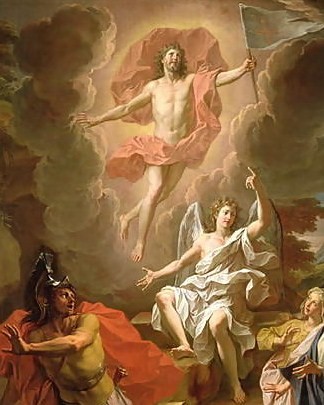
Noel-coypel-the-resurrection-of-christ-1700
The Resurrection of Christ by Noel Coypel, 1700
(public domain via Wikimedia Commons)

Only Christ has true life for us. Only his will for us leads to true freedom. Alive with Christ, we freely and gladly receive what he gives—no more and no less. Life in Christ means the transformation of the will and the heart that allows us to live and love as God intends for us. This transformation is a journey with Jesus by which, through the Spirit, we become more and more like Jesus. As I wrote last week, he gives us a new identity. Along the way, our old identity (in the first Adam) passes away while our new identity (in Christ, the last Adam), becomes more and more the defining reality of our lives.

These two identities (or natures) exist for a time side-by-side, competing for our time and affections. It’s often a struggle, but we have the responsibility to choose which nature we will follow: the old one with its lusts and pride that leads to destruction, or the new one with its self-sacrificial willingness to love and serve both God and people, leading to true, abundant life.

Christ promises to guide us on this journey, giving us strength to choose as he shares with us, through the Spirit, his own sanctification. We’ll find some sins easier to forsake than others (some are more enjoyable than others!). But all sin needs to go in order for us to enjoy fully the life that Jesus is sharing with us. Because he bought us with a price, our bodies are not our own—they belong to the One in whom and for whom we live.

Instead of doing what pleases us, in fellowship with Jesus we seek to do what pleases him. That leads us to discover that his way really is best. Amazingly, his way then becomes pleasing to us. This journey with Jesus involves thought and repentance, self-sacrifice and patience. It also involves yielding to Jesus who always is with us, living in us. As we do, we won’t instantly, or even gradually, become perfect. But we’ll journey forward, sharing Jesus’ abundant, new life as we go.

Notice this related instruction from Paul:

  • We were therefore buried with him through baptism into death in order that, just as Christ was raised from the dead through the glory of the Father, we too may live a new life (Romans 6:4).
  • Count yourselves dead to sin but alive to God in Christ Jesus. Therefore do not let sin reign in your mortal body…. Offer yourselves to God, as those who have been brought from death to life; and offer the parts of your body to him as instruments of righteousness (Romans 6:11-13).
  • We are convinced that one died for all, and therefore all died. And he died for all, that those who live should no longer live for themselves but for him who died for them and was raised again (2 Corinthians 5:14-15).

It boils down to knowing who Jesus is—the truth that points to our own identity as God’s dearly loved children. No longer are we the old person we once were—our sins have been forgiven; that old person has died with Jesus. Now we are a new creation. Alive with Christ, sin has no power to force us to do its will. With Christ in us, we can choose to do what is right—what fits who we really are becoming.

We embrace this new identity as “slaves of righteousness” (Romans 6:18), obeying our Lord Jesus because we want to be with him and receive from him daily all he has to give us. We obey out of our trust or faith in him, and in his good purposes for us. No longer fearing condemnation (Romans 8:1), we aren’t afraid of God; we now see him as our perfect Father who loved us so much that he sent his Son to die for us. Because Christ now lives in us, his love for us and all people compels us to die daily so we can join him in his ongoing ministry of reconciliation (2 Corinthians 5:16-21).

Joining you in dying and living with Jesus,
Joseph Tkach

Millhuffs’ grandson wed

Pastor Ted and Lila Millhuff of GCI’s Tucson, Arizona congregation, are pleased to announce the wedding of their grandson, Thales D. Millhuff, III, to Katelyn Jean Moen on August 8 in Snohomish, Washington. The wedding was held outdoors in a beautiful country setting. Grandpa Ted officiated. The happy newlyweds celebrated their honeymoon in Maui, Hawaii.

Millhuff

Arlen Bryant

We have requested prayer for Pastor Arlen Bryant who is battling brain cancer (click here for the previous updates). Here is the latest report from Arlen:

I had an MRI recently and met with the oncologist who gave me some good news. He said the tumor had shrunk but was still there. He wants to step up the chemotherapy for the next year and then reevaluate the situation. I feel that God is answering our prayers in the matter.

Cards may be sent to:

Arlen and Jean Bryant
2054 Benton Young Rd
Cookville, TN 38501

Leading in evangelism

What does authentic evangelism leadership look like? The Billy Graham Center for Evangelism (BGCE), partnered with Q Place, has created a YouTube channel to equip and inspire leaders in all levels and sectors of society to prioritize gospel witness. Below is the first video in the series featuring Ed Stetzer, the executive director of LifeWay Research and lead pastor of a new church that has grown quickly by prioritizing evangelism. Other videos in the series can be accessed at https://www.youtube.com/channel/UCLQx-pX_bs2d-2FAKrjznzg

On YouTube at http://youtu.be/x4nwdMm-oXY.

Camp reports

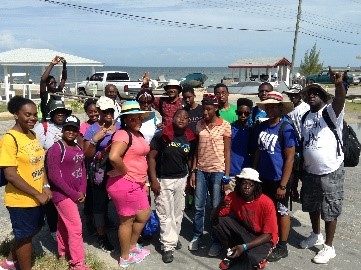
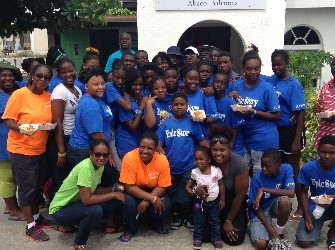
Here are reports from two recent GCI youth camps.

YES Camp, Louisiana

This Generations Ministries camp was held in July at Fontainebleau State Park on the shores of Lake Pontchartrain, north of New Orleans, Louisiana. The camp had two sessions: one for teens and one for preteens. There were about 60 campers each session, with a staff of 45 led by camp director Brandon Antwine. So many signed up this year that a waiting list was implemented for the first time. This year also saw the expansion of the camp’s Youth Leadership Team, which consists of older teens and young adults preparing for future leadership at camp and back home.

Camp chapels followed the GenMin Epic Story curriculum. Chapel speakers, led by camp chaplain Anthony Rice, showed how God’s love and mercy follow us in everyday life. One of the speakers, GCI regional pastor Ted Johnston, presented Anthony with a plaque and watch celebrating his 25 years of employment with GCI (including many years leading camps).

Various camp activities were provided this year. Teens enjoyed team/character building exercises and a banquet, where they were treated like royalty. According to Brandon, “It was a great feeling to watch God take over and lead us to greatness during camp.” Like the teens, the preteens enjoyed a wide array of sports activities including tubing (on nearby Lake Pontchartrain), arts and crafts, inflatables, basketball, swimming and volleyball. Here is a video from the teen session (http://youtu.be/PPguxNH98dM):

SEP 2015, Bahamas

On July 22, 18 campers and 15 staff members boarded a ship in Nassau, Bahamas and headed for Moores Island to attend SEP 2015. While on board, staff members were on security shifts throughout the night. Upon arrival they were greeted by staffers and campers who had arrived five days earlier, joining with church members there to prepare the camp. Later that afternoon more campers and staff arrived on a speed boat from Freeport.

Bahamas2

Camp chapels followed GenMin’s Epic Story curriculum. Activities included basketball, volleyball, fishing, hiking, arts and crafts, novelty Olympics, a beach picnic, and community service where campers and staffers helped in painting the GCI Moores Island church building. The camp then joined in a worship service with the congregation, which is pastored by Robert McKinney. The congregation presented care packages from parents at home to each camper. A talent show topped off the evening. A highlight of the camp was a special dinner at which campers dressed as princesses and princes. The hall was elegantly decorated by one of the staff members. Campers were given certificates of completion for taking part in camp and special recognition was given to each staff member.

Bahamas1

Uganda

This update is from Kalengule Kaoma, one of GCI’s mission developers in Africa.

Uganda camp venue
Uganda camp venue

I visited Uganda in June. There is a lot of excitement there among our youth—a youth camp is scheduled to be held for the first time this coming December. Church leaders, parents, and youth are willing to face the challenges of being camp trail-blazers. The camp needs are many and daunting, but spirits are high to get started. Parents and guardians in two sponsoring GCI congregations have pledged to meet most of the food requirements. We certainly need prayer that God will provide camp workers as we embark on this new youth ministry in Uganda.

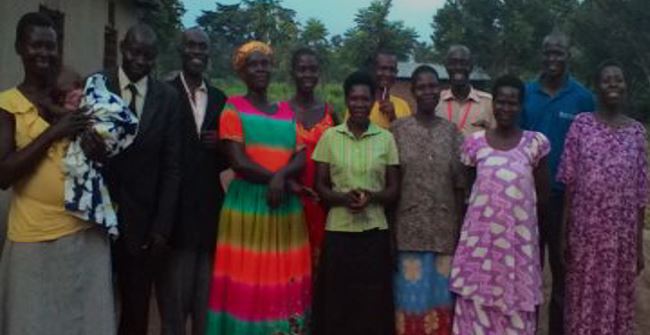
On my June visit I also connected with leaders of congregations interested in affiliating with GCI. I met Pastor Patrick Alobo and his leadership team (pictured below) from Morning Star Pentecostal Ministries in Lira. Their burning enthusiasm to be part of GCI ignited a fruitful discussion. They invited me to attend one of their church services, after which we met with most of their leadership team. We reached mutual agreement to start the process of affiliation.

Lira congregation leadership team

I also connected with Pastor James Arikosi of Christian Revival Center (CRC) in Kumi. Among CRC’s main aims are evangelism and church planting. Shared thoughts on these topics prompted us to proceed with steps toward affiliation. From Kumi I headed for Kisoro. On the way, I visited our GCI Uganda home office in Tororo where I visited with National Director William Othieno and his wife Jessica. Last year, the Ugandan government allowed the change of our name from Worldwide Church of God to Grace Communion International-Uganda. We thank God for this development.

In Kisoro I visited Pastor Deo Ziragora of Ebenezer Pentecostal Church. We discussed working together as partners. Deo likes GCI’s Christ-centered vision and approach to missions. Our next meeting will include board members to discuss further areas in which we can work together to reach people with the gospel of grace. Kisoro’s crisp morning air remained in the mountains behind me as I traveled on to Kyotera. There I joined GCI members for worship and a meal at Mutukula, a border town between Uganda and Tanzania. In the afternoon, we had a leadership workshop titled “What to do when church leaders face challenges.”

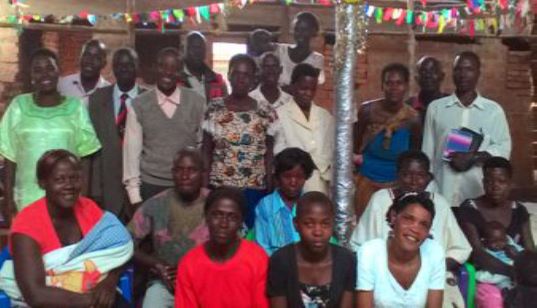
Uganda leaders workshop
Leadership workshop participants

Other areas I visited on this trip to Uganda included Jinja, Kalisizo, and Kampala, where I examined church planting opportunities. Like many other countries in Africa, Uganda has many churches, ministries, cell groups, Bible Study groups, lunch hour and evening fellowships, and other innovative ways that people are brought together for Christ. As a result, people are being saved and lives are being transformed. Leaders of these faith communities often search the internet for sound doctrines. When they land on GCI’s website, they often stay there and read extensively. Our website has become a resource site for a good number of church leaders who are inspired to be part of what they are learning. Please pray about this development—God is opening many doors to us in Africa!

Outreach to Surrey neighbors

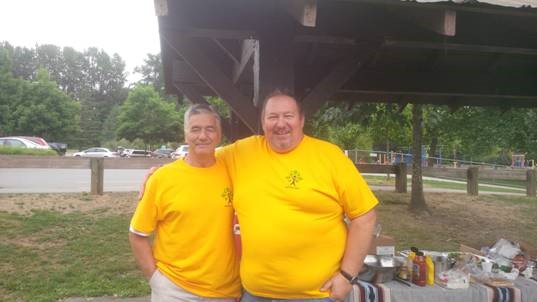
Picnic2GCI’s congregation in Surrey (Vancouver), Canada, recently held an outreach picnic in a park nearby their place of meeting. Members wore t-shirts that said “Ask Me About Jesus!” (see picture below). People in the park were invited to lunch (elder Bruce Edmonds is cooking hot dogs in the picture at right).

For about an hour Debbie Minke and her son Bryce (pictured in the shelter, below) played contemporary worship music, which created a warm and inviting mood. It was an opportunity to reach out in a friendly, non-threatening way, as members walked through the park inviting people to lunch.

Picnic1

According to pastor Craig Minke (at right in the picture below with member Harry Baergen), a GCI gospel pamphlet was made available to passersby and those who stopped for lunch. Entitled Here’s Good News for Everyone!, the pamphlet is available for download in both booklet and tri-fold pamphlet formats at http://www.gci.org/gospel-tract.

Picnic3

LGBT issues

Here are some resources that helpfully address LGBT (lesbian, gay, bisexual and transgender) issues from the perspective of the true identity all humans have in union with Christ, by the Spirit:

On YouTube at http://youtu.be/GG54Dy3pmbE

Outreach to Kenyan orphans

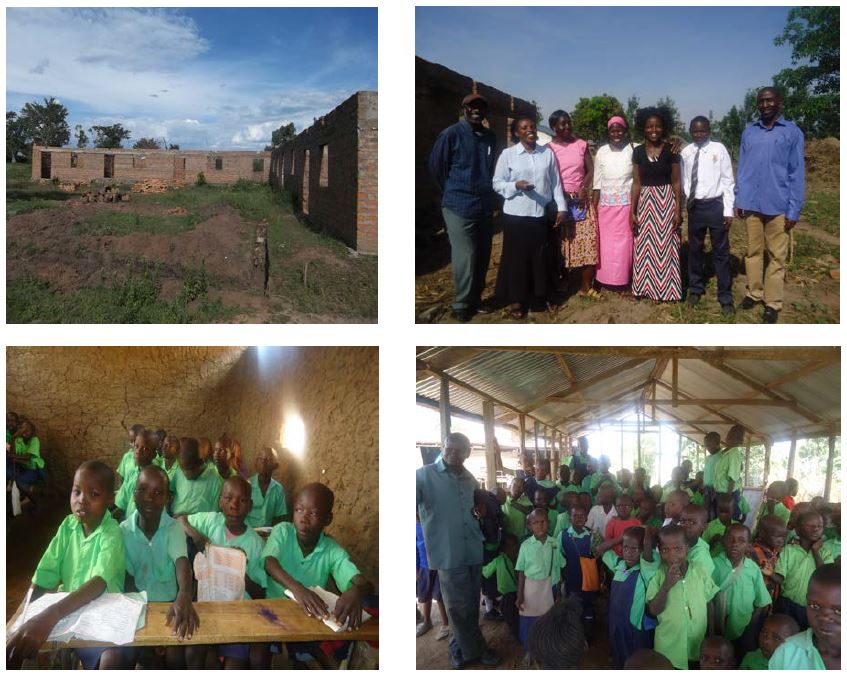
With assistance from our Australian churches, GCI’s congregations in Kenya, Africa, are helping educate orphans in the Manyera, Migori District of that nation. With GCI help, a school with nine classrooms is under construction (see pictures below). GCI pastors Joseph Nyakwaka and Rose Ocholla are coordinating the outreach, which is making a real difference in that community. Children are being cared for and pupils are anxiously awaiting their move into the new school.

Kenya

The gift of identity

Dear Brothers and sisters,

Joe Tkach and Tammy TkachOur increasingly secular, individualistic culture has lost sight of the truth that God gives us the precious gift of human identity. This loss leaves people to define their own identity. In doing so, instead of relying on widely agreed-upon values concerning life’s meaning, purpose and destiny, they rely on a secular “law” that values complete individual autonomy from God and people. Instead of producing freedom, this law produces slavery.

Because we are called to minister with Jesus within particular cultures, we must be aware of how culture shapes identity, and how the gospel testifies that the true identity of all people is found in Jesus. As Christians, we believe that the Son of God created us, became human, shared our life, died on our behalf, and now lives to help us, holding our future secure in his hands. This gospel truth is our primary frame of reference—our source of identity.

Sadly, the identity of many people is shaped not by the gospel but by such identity-forming cultural forces as media (including social media), advertising, education, entertainment, politics, technology and peer pressure. “Swimming” within this “cultural soup,” people come to believe they don’t need God—that they can be self-sufficient and make their own way. They learn to place their identity in their nationality, race, vocation, peer group, or hobby. And now many feel the need to place their identity in their sexual preferences (for more on that topic, click here or on the “LGBT issues” link above, left).

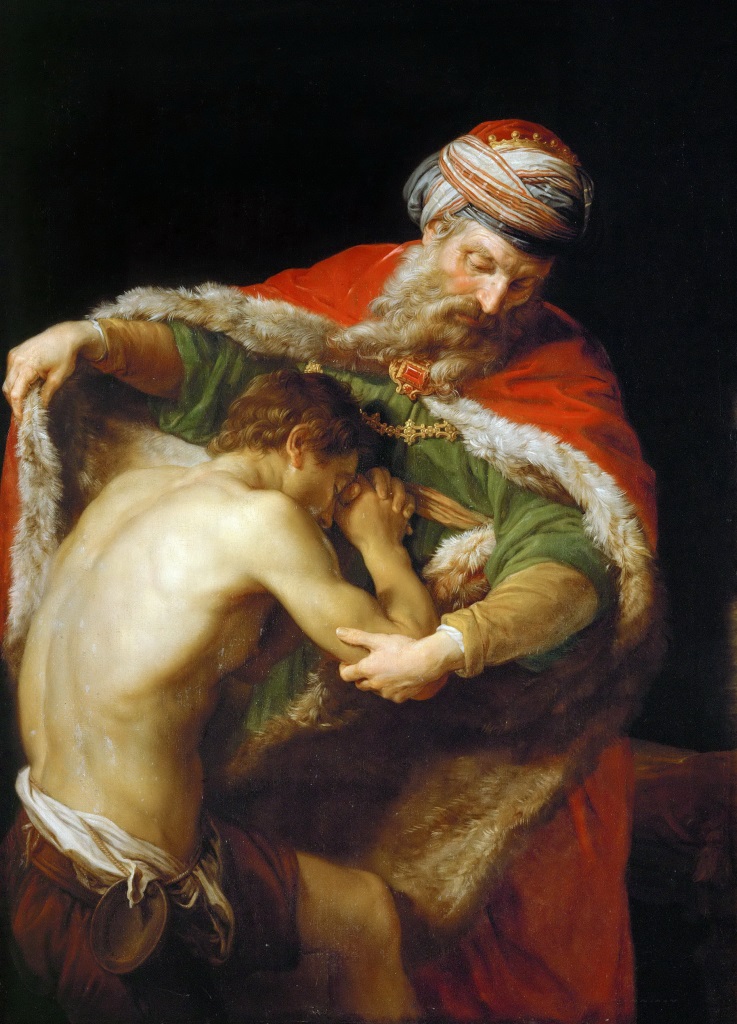
Return of the Prodigal Son by Batoni (Wikimedia Commons, public domain)
Return of the Prodigal Son by Batoni
(public domain via Wikimedia Commons)

Into this “cultural soup” comes Jesus with a radical message of a new, transformed identity. That identity is not principally about human distinctions (Galatians 3:28), but who humans are, by grace, as God’s dearly loved children. Sadly, many people don’t know of this Christ-centered identity, largely because they hold false views about who God is. They’ve heard he’s like an angry, abusive parent out to punish his disobedient children. They’ve heard he’s so offended that he can’t stand to be in the presence of sinners and has plans to inflict pain on them forever and ever.

But all these views of God are wrong—they all suffer from a case of mistaken identity. God’s true identity is revealed to us in the person of Jesus Christ. In Jesus we see that God is willing to suffer for us, even die for us, so that we can live forever with him. In Jesus we see that though we all sin and fall short of perfection, God, in love, has done something about it.

People react to this truth about God in different ways. Some won’t accept it—they don’t think their sins are anywhere near bad enough to necessitate such sacrifice. Others know they’ve sinned, but believe the good they’ve done outweighs the bad. Others, painfully aware of their guilt, desperately try to earn their way back into God’s favor.

The good news is that God’s favor, as a loving Father, is already there for all people. Even when we were sinners (his enemies!) he loved us and sent his Son to die on our behalf and reconcile us to himself. That truth—the gospel—forms the basis for our true identity. Yes, we all are sinners, and no, we can’t change that, but God can and has. As his freely given gift, he sent his Son to live and die in our place so that we would be forgiven and raised with him to new life. And now in Jesus—in who he is, and what he has done—we are the dearly loved children of our heavenly Father. That is who we truly are. That is our true identity.

Over the centuries, followers of Jesus, embracing their true identity, have committed their lives to helping others come to know who they truly are in Christ. Paul described that gospel work this way: “My dear children, for whom I am again in the pains of childbirth until Christ is formed in you…” (Galatians 4:19). Paul’s work in Galatia, as elsewhere, was to help people know Christ and to have Christ formed within them—to understand their true identity and then have their lives transformed as they live into that identity (see Galatians 2:20 KJV).

As a church, our primary goal is to participate, as did Paul, in what Jesus is doing to help people come to know him and then to be transformed as Christ is formed within them (Romans 12:2). That journey of transformation is about having our identity formed in Christ rather than in the “cultural soup” that surrounds us. It means yielding to the Spirit of Christ as he shapes us into what he wants us to be, using the gifts he gives us to join in the work he is doing, being instruments of his righteousness and peace for the benefit of people who desperately need to know him and know who they truly are in him.

This journey of transformation happens neither by accident nor by force. At times the journey seems slow, but it’s real and leading to our glorification—the time when we’ll be conformed perfectly to Christ and thus live fully into our true identity in him (see Romans 8:29 and 1 John 3:2). On this journey, the Spirit leads us to turn away from all other sources of identity and give our lives to Christ daily, as he continues to shape us to be more and more like he is. Note how Paul describes the process:

  • “You have taken off your old self with its practices and have put on the new self, which is being renewed in knowledge in the image of its Creator” (Colossians 3:9-10).
  • “Put off your old self, which is being corrupted by its deceitful desires; to be made new in the attitude of your minds, and to put on the new self, created to be like God in true righteousness and holiness” (Ephesians 4:22-24).

Out with the old identity—in with the new! Off with the way of sin—in with the way of Christ! As we surrender to Jesus, he gives us this new identity and way of being. It’s no pretense; no religious show—it’s reality, the gift of our true identity that gives us our meaning, our purpose, our security and our destiny. It’s a journey with daily challenges and joys. It’s about a life centered on Jesus, who not only shows us the Father, but shows us what we can become as we journey with him.

Our mission is to tell others this wonderful news—the simple (yet profound) truth that God who made us wants really good things for us. Even though we humans run from God, or act as if he’s not there, or refuse his help, God still loves us, still pursues us. He sent his Son, Jesus Christ, to become human with us, to speak our language, feel our pain, and take the sting of death upon himself removing all the barriers between us and God, giving us all our true identity as God’s dearly loved children.

Joined with you in living out our true identity in Christ,
Joseph Tkach